Some fraudsters deliberately stage auto collisions to submit insurance claims for fake injuries and vehicle damage. In some cases, they may have already caused extensive damage to their vehicles elsewhere or do so later to make larger claims. – Financial Services Commission of Ontario
Common Types of Staged Car Accidents
1. Rear-End Collision Scam
The scammer pulls in front of you and brakes suddenly, causing a rear-end collision. Since the rear driver is usually at fault, the scammer can claim damages and injuries.
2. T-Bone Accident Scam
The scammer waits for your vehicle to enter an intersection, then collides with you. Fake witnesses may claim that you ran a red light or stop sign, placing blame on you.
3. Sideswipe Scam
Another driver deliberately sideswipes your vehicle, often when you are distracted, changing lanes, or on a bend in the road.
4. Wave and Hit Scam
The scammer waves you through an intersection, then accelerates to cause an accident, later denying they waved you on.
5. Start and Stop Scam
Common in heavy traffic, the scammer brakes suddenly in front of you, causing a rear-end collision.
6. “Bad Scammer” Scam
A third party poses as a helpful individual (tow truck driver, repair shop representative, or authority figure) and directs you to fraudulent services.
7. Fake Injury Scam
The other driver claims injuries after a minor accident, using a cooperating doctor or clinic to file a false insurance claim.
8. Fake Victim Scam
Someone not involved in the accident claims injuries and files a personal injury claim with your insurer.
9. Tow Truck Scam
A tow truck driver recommends a specific repair shop, which overcharges for unnecessary repairs and pays the driver a referral fee.
10. Fake Damage Scam
Scammers exaggerate damage or use pre-damaged vehicles to increase insurance payouts.
11. Fake Pink Insurance Slips
Fraudulent insurance cards (“pink slips”) may be sold by unlicensed individuals, leaving victims uninsured.
Watch for Common Indicators of Staged Accidents
Unnecessary sudden movements: Vehicles stop suddenly or cut you off.
Pressure: Other drivers or “witnesses” insist on specific tow trucks, repair shops, or medical clinics.
Gut feeling: Something feels off about the situation.
Convenient witnesses: Witnesses appear immediately and fully support the other driver’s story.
New passengers: Extra passengers appear suddenly in involved vehicles.
What to Do If You Suspect a Scam
Document the incident: Take photos, note insurance info, vehicle registration, driver license numbers, and descriptions of everyone involved.
Call the police: Report suspected scams or any accident that doesn’t seem minor.
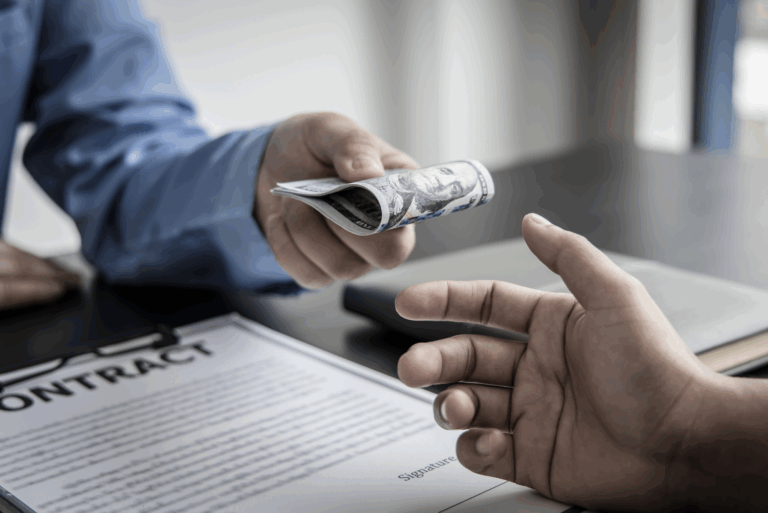
Do not accept on-site settlements: Fraudsters may try to resolve the incident with cash immediately.
Notify your insurance company: Even if you don’t file a claim, inform your insurer about the suspected scam.
Additional Auto Insurance Frauds
Planned vehicle theft: Owner and accomplice steal or destroy the vehicle, claiming insurance.
Misreported location: Using a different address to get lower insurance rates.
Over-reporting damages: Inflating stolen property or including old damage in a new claim.
Missing drivers: Not informing the insurer of all household drivers.
Vehicle dumping: Abandoning or destroying the vehicle and claiming it was stolen.
Faulty repairs: Repair shops using salvaged airbags or windshields and filing false claims.
Tips to Protect Yourself
Ensure your broker, agent, or insurance company is licensed to operate in your province.
Check with the Financial Services Regulatory Authority of Ontario (FSRA) and Registered Insurance Brokers of Ontario before buying auto insurance.