







Anti Fraud Scammers

Refund & Recovery Scam

Refund and recovery scams are among the most dangerous. They target people who have already lost money to a scam. If you’ve been scammed, you may be approached by someone claiming they can help recover your money, prize, or merchandise—but only if you pay them first. If you do, you’ll lose even more money.


How Refund and Recovery Scams Work

  • Previous Victims Targeted: Scammers target people who have already paid a scammer, such as for a fake prize, timeshare resale, or other fraudulent schemes.

  • Sucker Lists: Scammers buy and sell lists of people who have been scammed. These lists include names, addresses, phone numbers, type of scam, and amounts lost. Scammers know that people who have been scammed once are likely to fall for scams again.

  • Reaching Out: Scammers contact victims by phone, email, text, social media, or mail, claiming they can recover lost funds or items. They may invent stories that appear believable and “helpfully” reference the earlier scam.

  • Gaining Trust: Scammers often impersonate government agencies, consumer advocacy groups, law firms, or even the original scam company. They may claim to be holding money for you, filing complaints on your behalf, or prioritizing you for reimbursement.

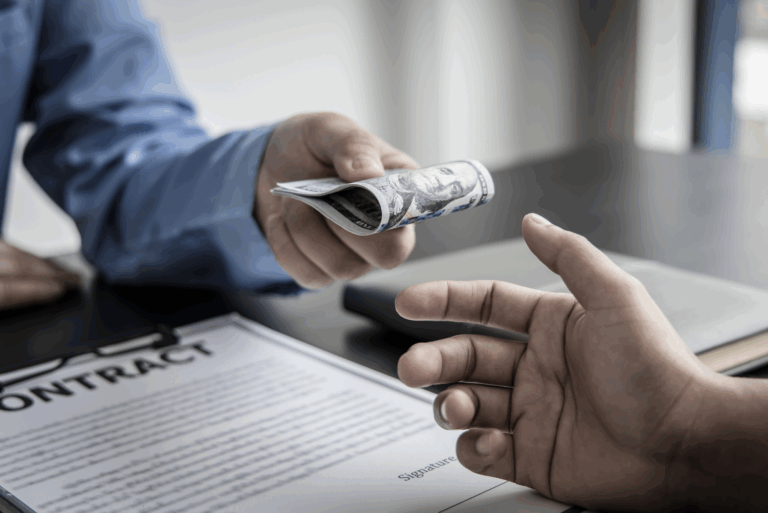
  • Requesting Payment or Information: Before recovering anything, the scammer asks for an upfront payment or personal/financial information. They may call it a “retainer fee,” “processing fee,” “administrative charge,” “tax,” or “shipment/handling fee.” They may also request social security numbers, bank accounts, debit/credit card information, or other personal details. Providing this information leads to theft of your money or identity.

  • Red Flags:

    • Any unexpected contact requesting upfront payment is a scam.

    • Claims from government agencies or nonprofits asking for money or personal information are fraudulent. Legitimate organizations never require payment to recover funds.


How to Avoid Refund and Recovery Scams

  • Do Not Trust Unsolicited Offers: Ignore calls, letters, emails, texts, or social media messages promising to recover lost money for a fee.

  • Never Pay for a Refund: Legitimate agencies will not ask for payment or personal financial information to process a refund.

  • Be Wary of Payment Methods: Scammers often insist on payment via cash, gift cards, cryptocurrency, wire transfers (Western Union, MoneyGram), or payment apps. Any request for these is a red flag.

  • Avoid Depositing Suspicious Checks: Never deposit a check for more than you are owed. Scammers may instruct you to return the excess, which will lead to loss when the bank discovers the check is fake.

  • Research Organizations: Verify the legitimacy of any organization or government agency that contacts you. Search online for the organization’s name along with terms like “complaint,” “scam,” or “review.” Check with your state attorney general or official government websites.


Information Source: Consumer.ftc.gov

Spot the Warning Signs

Red Flags Checklist

Scammers rely on subtle tricks and pressure tactics to steal your money and personal information. Use this checklist to quickly identify warning signs and protect yourself before it’s too late. Being aware of these red flags can save you from falling victim to fraud.

Unsolicited Messages From Strangers

Beware of unexpected emails, texts, or social media messages asking for money or personal information.

Fake Financial Records

Scammers use counterfeit invoices or statements to appear legitimate—always verify before acting.

Promises of Guaranteed Returns

High, risk-free profits are almost always a scam. Research before you invest.

Pressure to Act Fast

Urgency is a red flag. Take time to think and verify before making decisions.

Related News

Social Media Scam

admin September 14, 2025 Social Media Scam Social media scams often exploit heartbreaking stories, like life-threatening illnesses or serious accidents....